ENHANCED PATIENT SAFETY THROUGH REALTIME GLUCOSE MONITORING & ALERTS
ENHANCED PATIENT SAFETY THROUGH REALTIME GLUCOSE MONITORING & ALERTS
Enhancing patient safety through real-time glucose monitoring & alerts
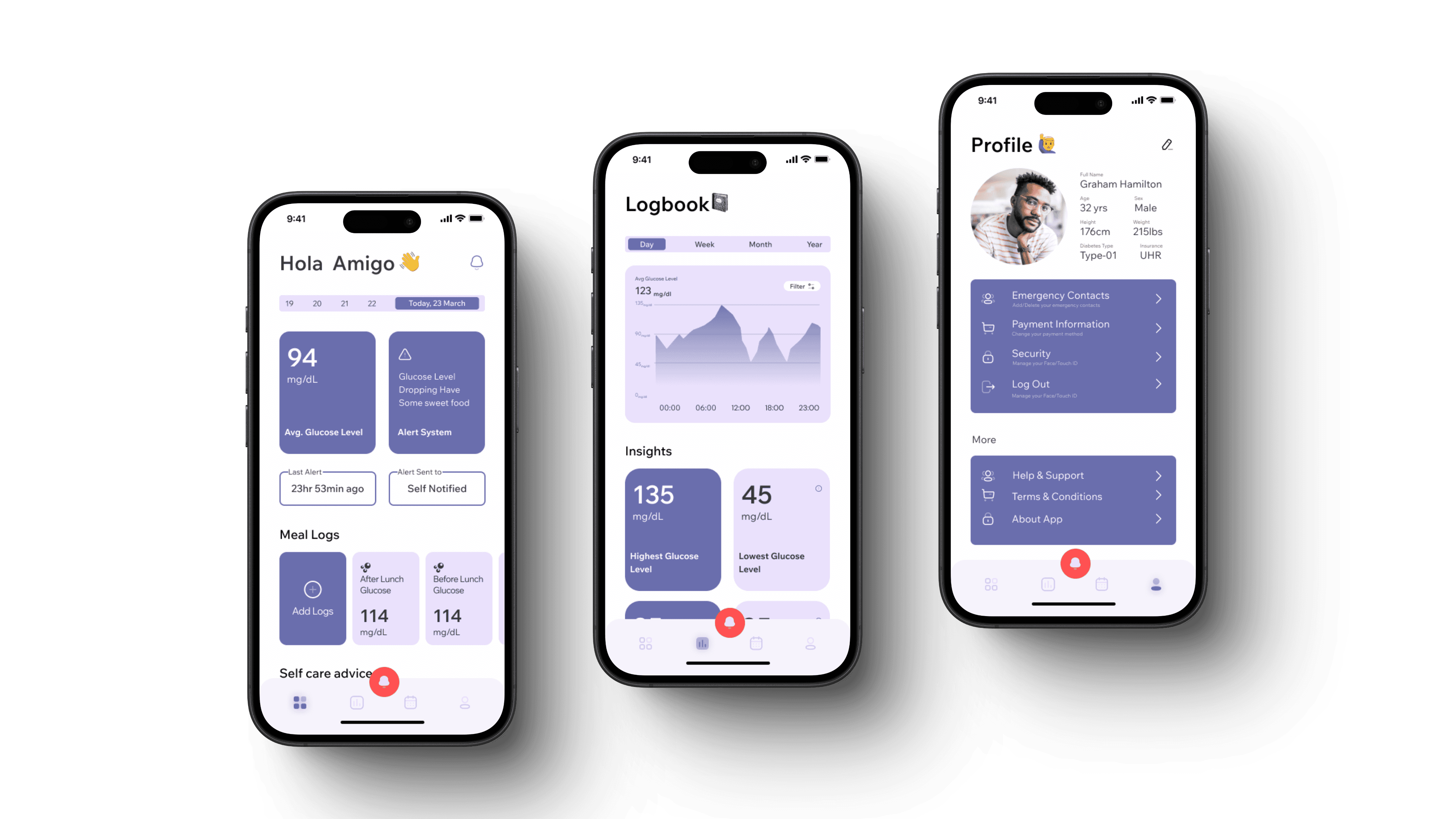
This system helps diabetic patients stay safe by tracking glucose levels in real time and alerting caregivers during critical drops. I redesigned the experience to be clearer and more actionable for both patients and responders.
Reduced hypoglycemic aftermaths by 21% through real-time alerts and streamlined tracking.
Improved user trust and adoption with a more intuitive, patient-friendly interface.
Enabled faster emergency response by aligning design with medical workflows.
This system helps diabetic patients stay safe by tracking glucose levels in real time and alerting caregivers during critical drops. I redesigned the experience to be clearer and more actionable for both patients and responders.
Reduced hypoglycemic aftermaths by 21% through real-time alerts and streamlined tracking.
Improved user trust and adoption with a more intuitive, patient-friendly interface.
Enabled faster emergency response by aligning design with medical workflows.
ROLE
ROLE
UX Designer
UX Designer
Client
Client
Jewish Healthcare Foundation
Jewish Healthcare Foundation
Industry
Industry
Healthcare
Healthcare
Duration
Duration
Jan 2024 - May 2024
Jan 2024 - May 2024
GOAL
GOAL
Reduce the risk of severe hypoglycemic incidents by enabling real-time glucose monitoring and automated emergency alerts for patients and caregivers.
Reduce the risk of severe hypoglycemic incidents by enabling real-time glucose monitoring and automated emergency alerts for patients and caregivers.
GlucoGuard was designed to proactively detect dangerous drops in blood sugar and immediately notify emergency services and trusted contacts. The goal was to eliminate delayed response during critical moments, improve patient safety, and support faster medical intervention in high-risk situations.
GlucoGuard was designed to proactively detect dangerous drops in blood sugar and immediately notify emergency services and trusted contacts. The goal was to eliminate delayed response during critical moments, improve patient safety, and support faster medical intervention in high-risk situations.
RESPONSIBILITIES
RESPONSIBILITIES
User Research with Patients and Emergency Responders, Cross-Functional Collaboration, System Design, Information Architecture, Interaction Design, Prototyping, Usability Testing, Stakeholder Communication
User Research with Patients and Emergency Responders, Cross-Functional Collaboration, System Design, Information Architecture, Interaction Design, Prototyping, Usability Testing, Stakeholder Communication
“It’s not just about monitoring numbers, it’s about saving lives. GlucoGuard can become a lifeline for families dealing with diabetes.”
“It’s not just about monitoring numbers, it’s about saving lives. GlucoGuard can become a lifeline for families dealing with diabetes.”
Background Information
BACKGROUND INFORMATION
The rise of temporary housing needs:
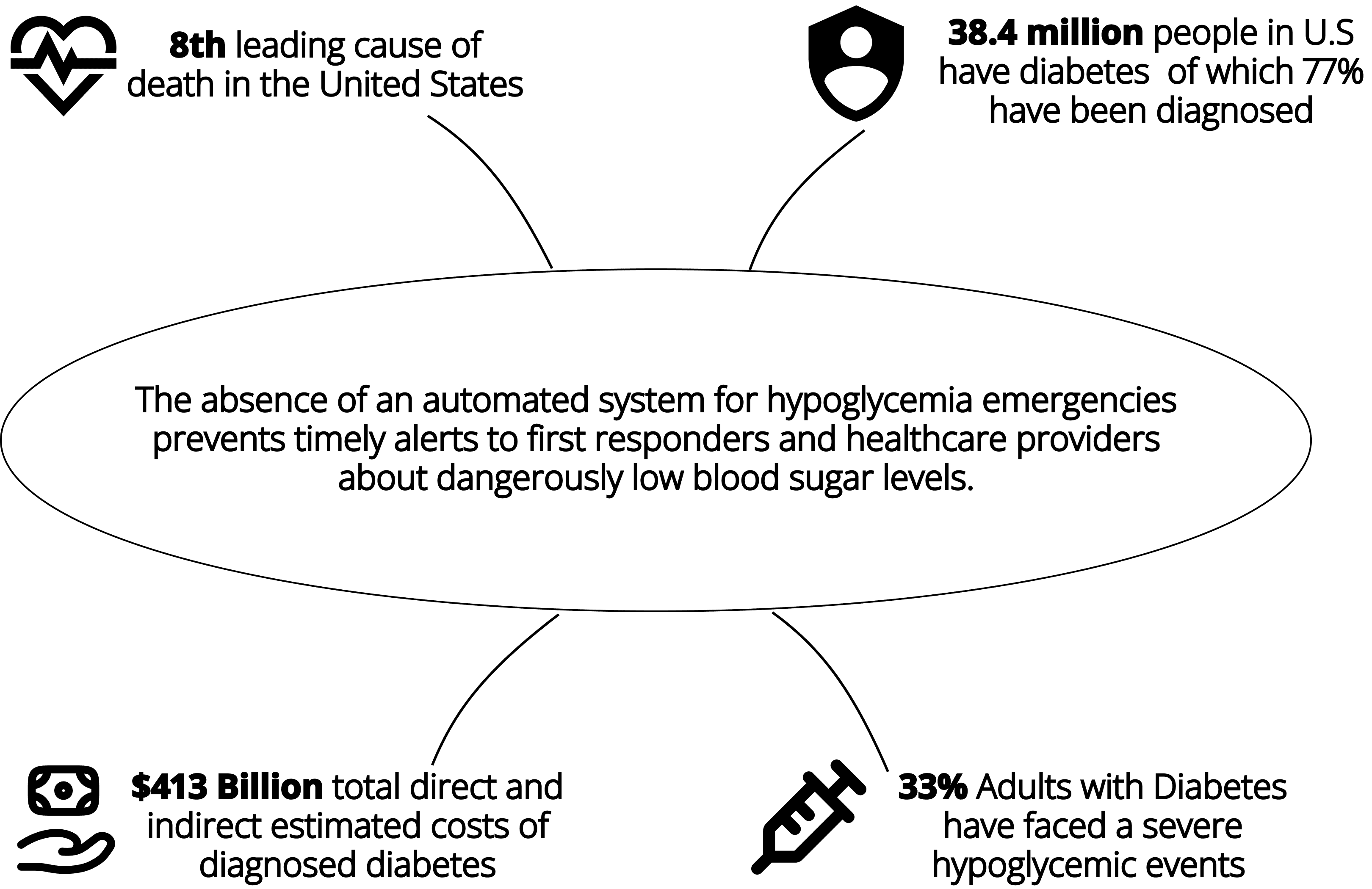
Extensive research highlights the need for innovative solutions to ease the financial and emotional burdens of these periods, while also showcasing the growing market potential for flexible and sophisticated accommodations. The diagram below outlines key insights supporting this demand.
The rise of temporary housing needs:
Extensive research highlights the need for innovative solutions to ease the financial and emotional burdens of these periods, while also showcasing the growing market potential for flexible and sophisticated accommodations. The diagram below outlines key insights supporting this demand.
My Biggest Questions
MY BIGGEST QUESTIONS
HOW SHOULD I…
provide users with greater control and confidence in their glucose management?
enhance the likelihood of receiving assistance for an individual experiencing a hypoglycemic episode?
ensure real-time interventions to prevent severe hypoglycemic incidents?
reduce the anxiety of patients and caregivers through proactive monitoring?
HOW SHOULD I…
provide users with greater control and confidence in their glucose management?
enhance the likelihood of receiving assistance for an individual experiencing a hypoglycemic episode?
ensure real-time interventions to prevent severe hypoglycemic incidents?
reduce the anxiety of patients and caregivers through proactive monitoring?
Primary Research/ Understanding the problem:
Conducted interviews and sent out a survey to gather insights mainly from college students on their experiences and preferences regarding temporary accommodations, the factors influencing their decisions during a transition, and their goals for managing housing and expenses.
Strategic Prioritization
STRATEGIC PRIORITIZATION
Key Results
Reduction in Hypoglycemic Incidents
Reduction in Hypoglycemic Incidents
Real-time monitoring and automated alerts helped users take action before glucose levels became dangerously low.
Real-time monitoring and automated alerts helped users take action before glucose levels became dangerously low.
Faster Emergency Response
Faster Emergency Response
Immediate notifications to caregivers and healthcare providers enabled quicker intervention, reducing severe complications.
Higher User Adoption & Trust
Higher User Adoption & Trust
Designed an intuitive and accessible interface, making it easier for diabetic patients to monitor their glucose levels with confidence.
Designed an intuitive and accessible interface, making it easier for diabetic patients to monitor their glucose levels with confidence.
Improved Collaboration with Healthcare Providers
Improved Collaboration with Healthcare Providers
Seamless data sharing allowed medical professionals to track trends and adjust treatments proactively.
Seamless data sharing allowed medical professionals to track trends and adjust treatments proactively.
Key Results
KEY RESULTS
Strategic Prioritization
Primary Research/ Understanding the problem:
Conducted interviews and sent out a survey to gather insights mainly from college students on their experiences and preferences regarding temporary accommodations, the factors influencing their decisions during a transition, and their goals for managing housing and expenses.
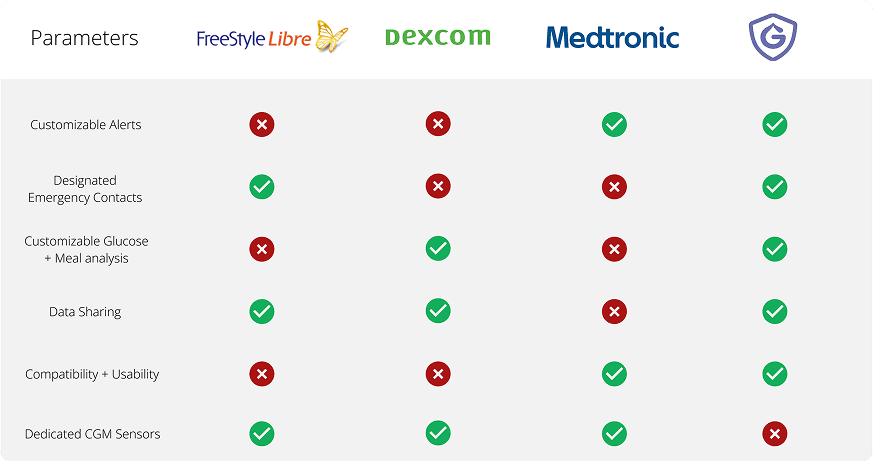
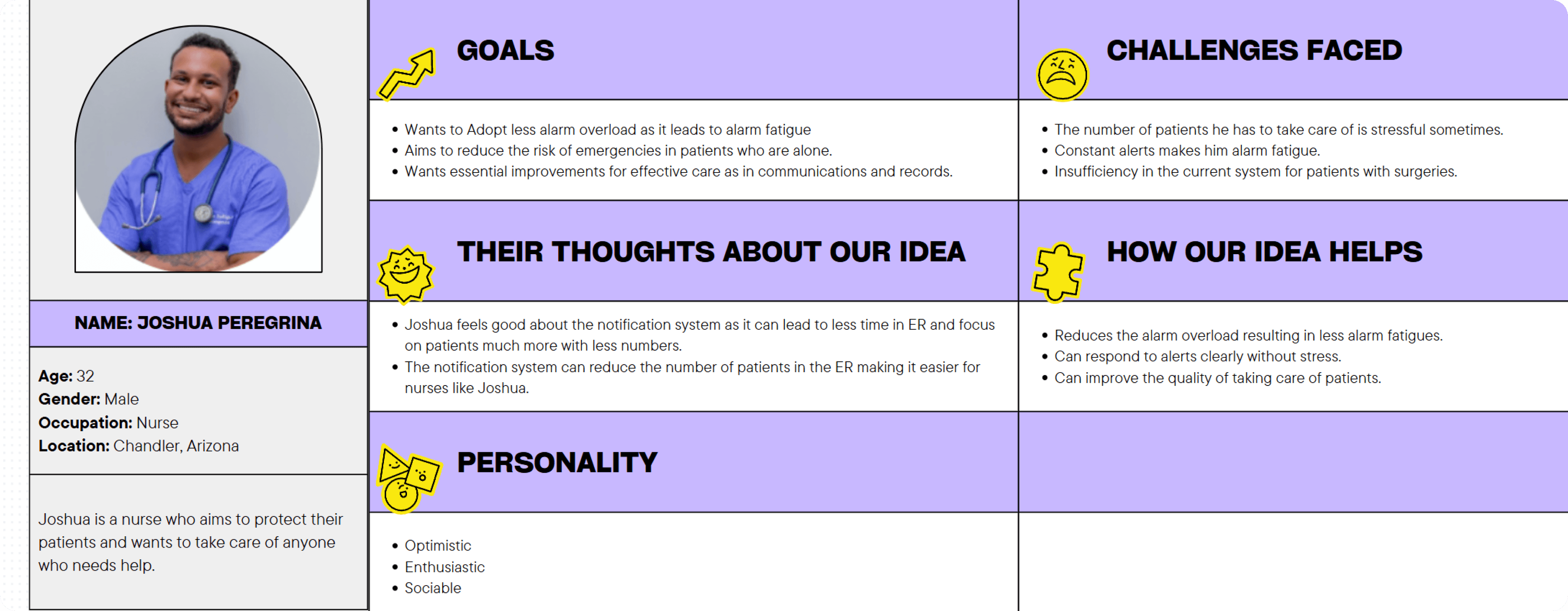
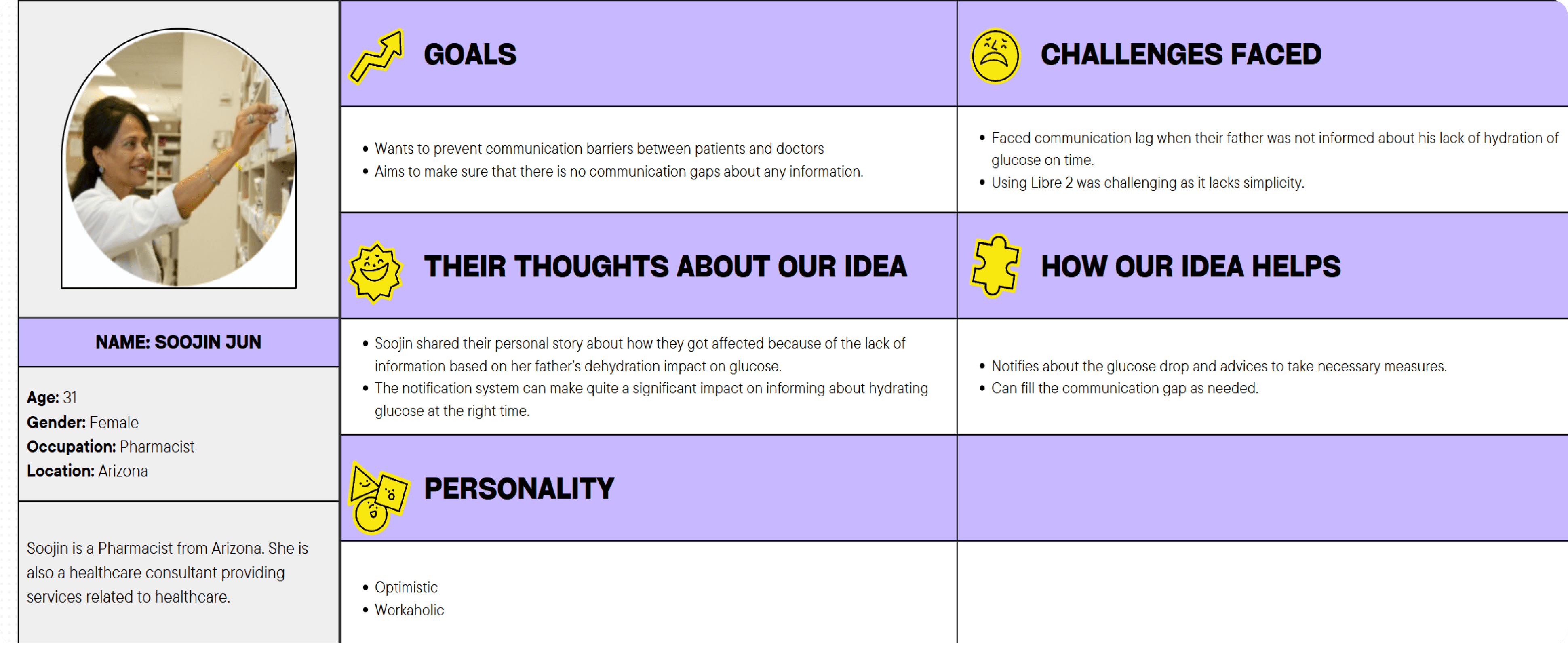
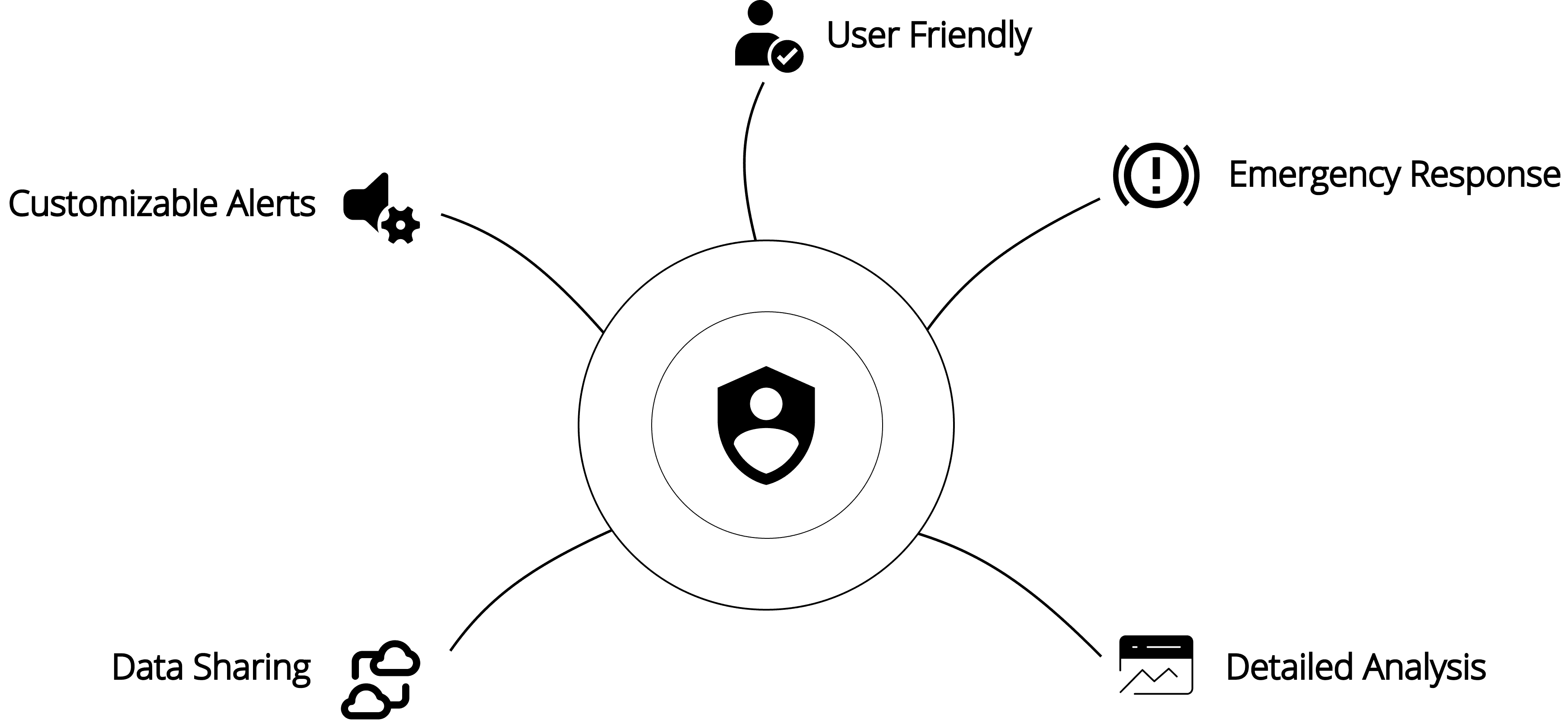
GlucoGuard prioritized intuitive design, real-time monitoring, and seamless mobile integration.
Research shaped user-friendly concepts, refined through prototypes and testing, with clear visuals, simple navigation, and predictive alerts ensuring it met user needs.
Key Insights
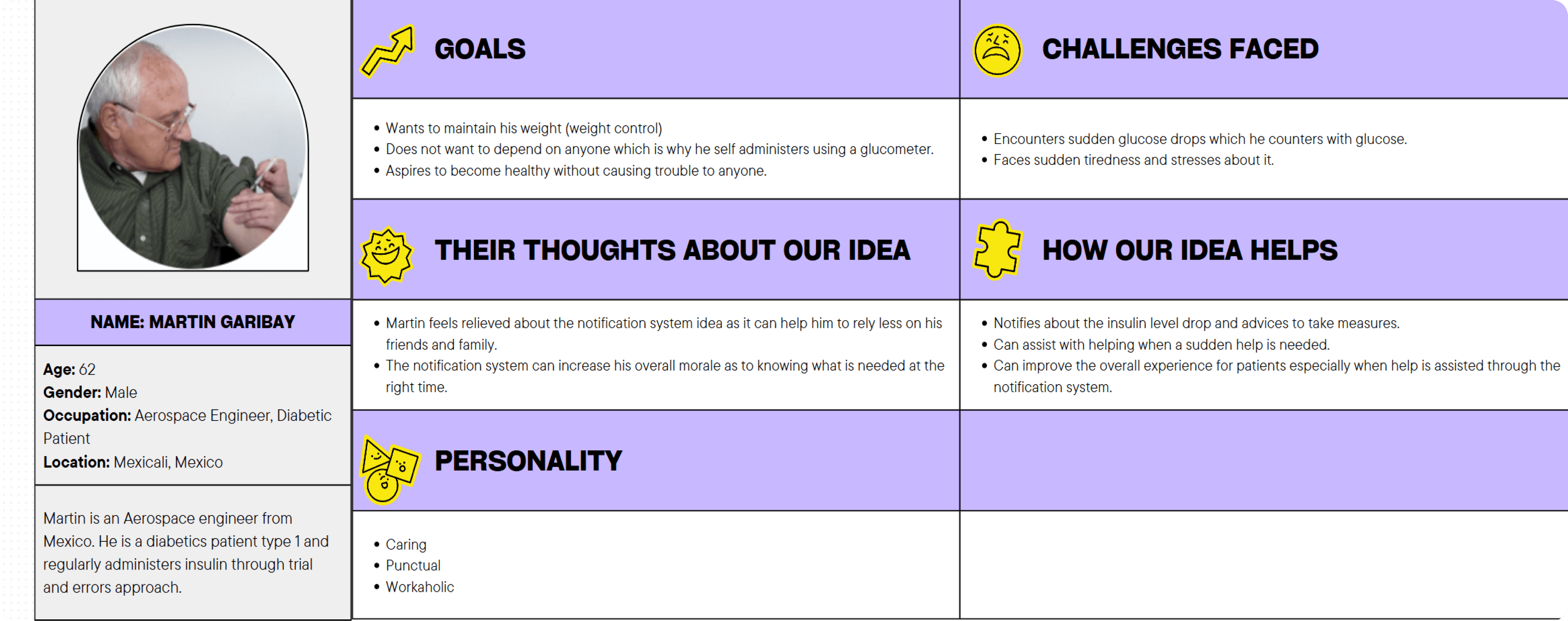
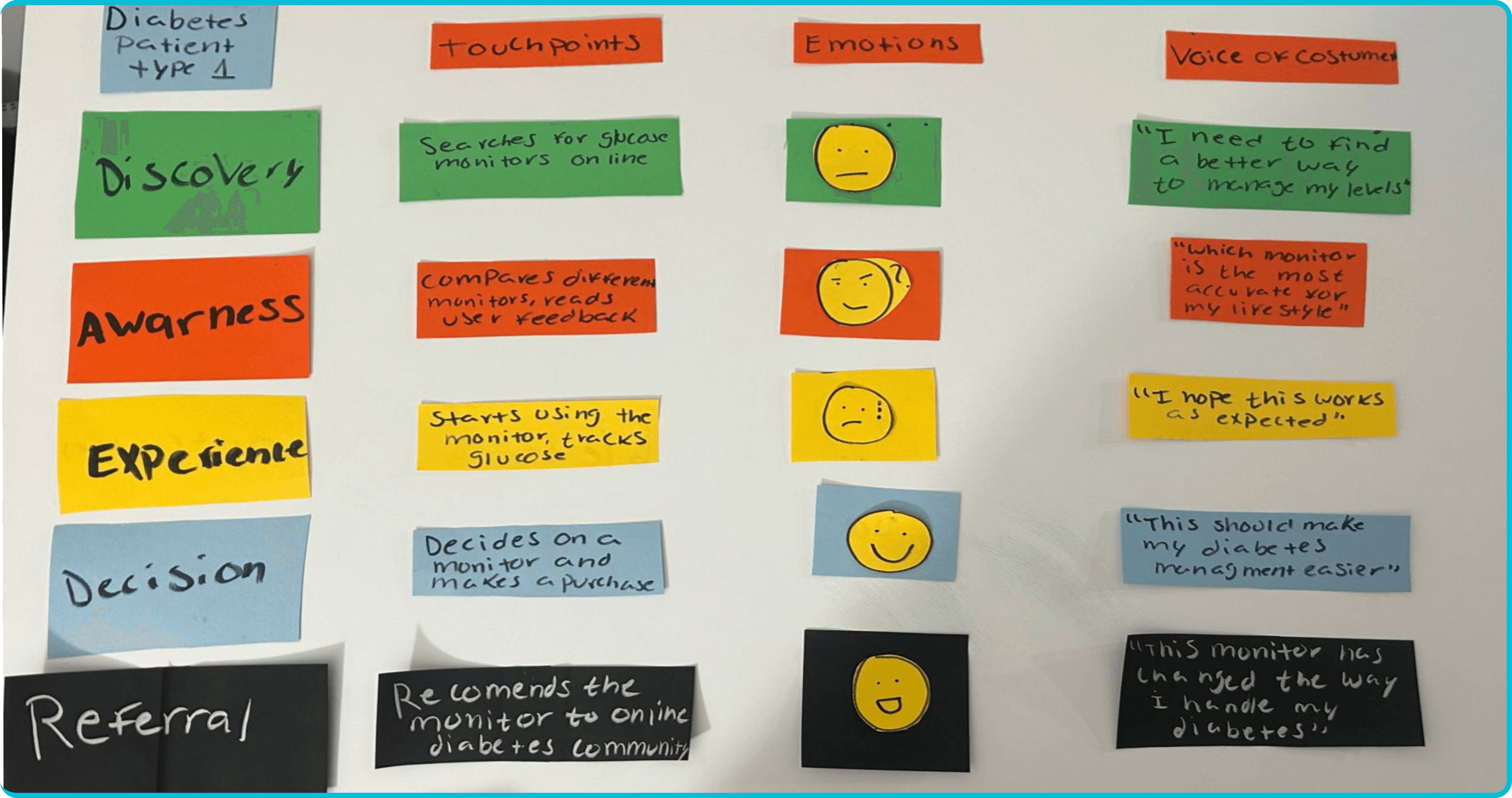
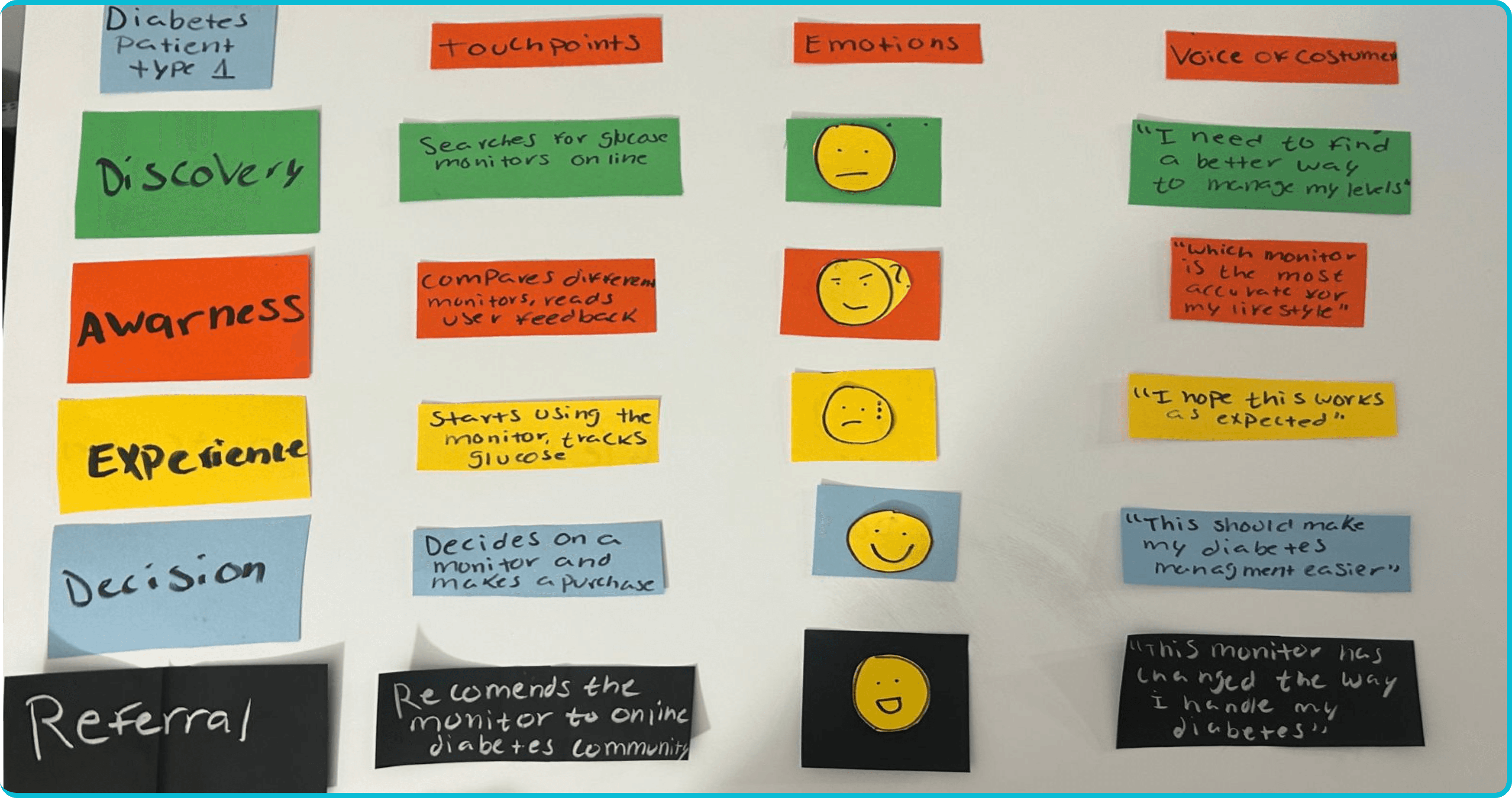
The GlucoGuard journey map highlights the challenges of Type 1 and Type 2 diabetics, guiding design to prevent tragedies.
It identifies gaps in glucose monitors, emphasizing proactive alerts, real-time tracking, and emergency features to reduce anxiety, ensure timely intervention, and build trust in its life-saving mission.
The GlucoGuard journey map highlights the challenges of Type 1 and Type 2 diabetics, guiding design to prevent tragedies.
It identifies gaps in glucose monitors, emphasizing proactive alerts, real-time tracking, and emergency features to reduce anxiety, ensure timely intervention, and build trust in its life-saving mission.
Key Insights
KEY INSIGHTS
Notifier :
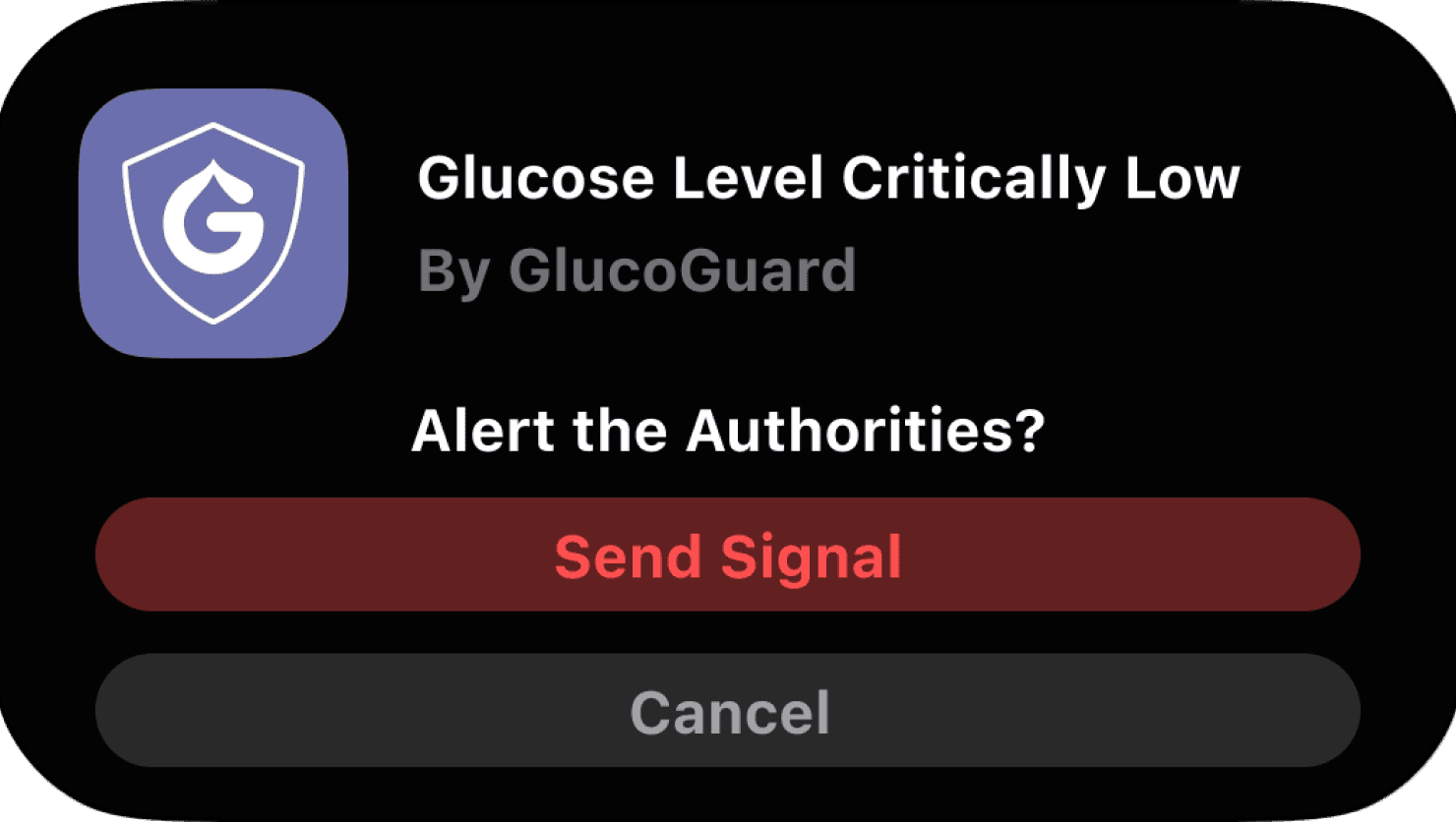
Notifier :
Personalized emergency response system which automatically triggers alerts to pre-designated contacts.
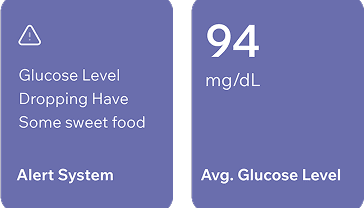
Continuous Glucose Monitoring and Data Accuracy (CGM)
GlucoGuard ensures precise, real-time blood glucose tracking, minimizing reliance on invasive methods and helping patients avoid dangerous fluctuations.
Key Features
Notifier :
Personalized emergency response system which automatically triggers alerts to pre-designated contacts.
Continuous Glucose Monitoring and Data Accuracy (CGM):
GlucoGuard ensures precise, real-time blood glucose tracking, minimizing reliance on invasive methods and helping patients avoid dangerous fluctuations.
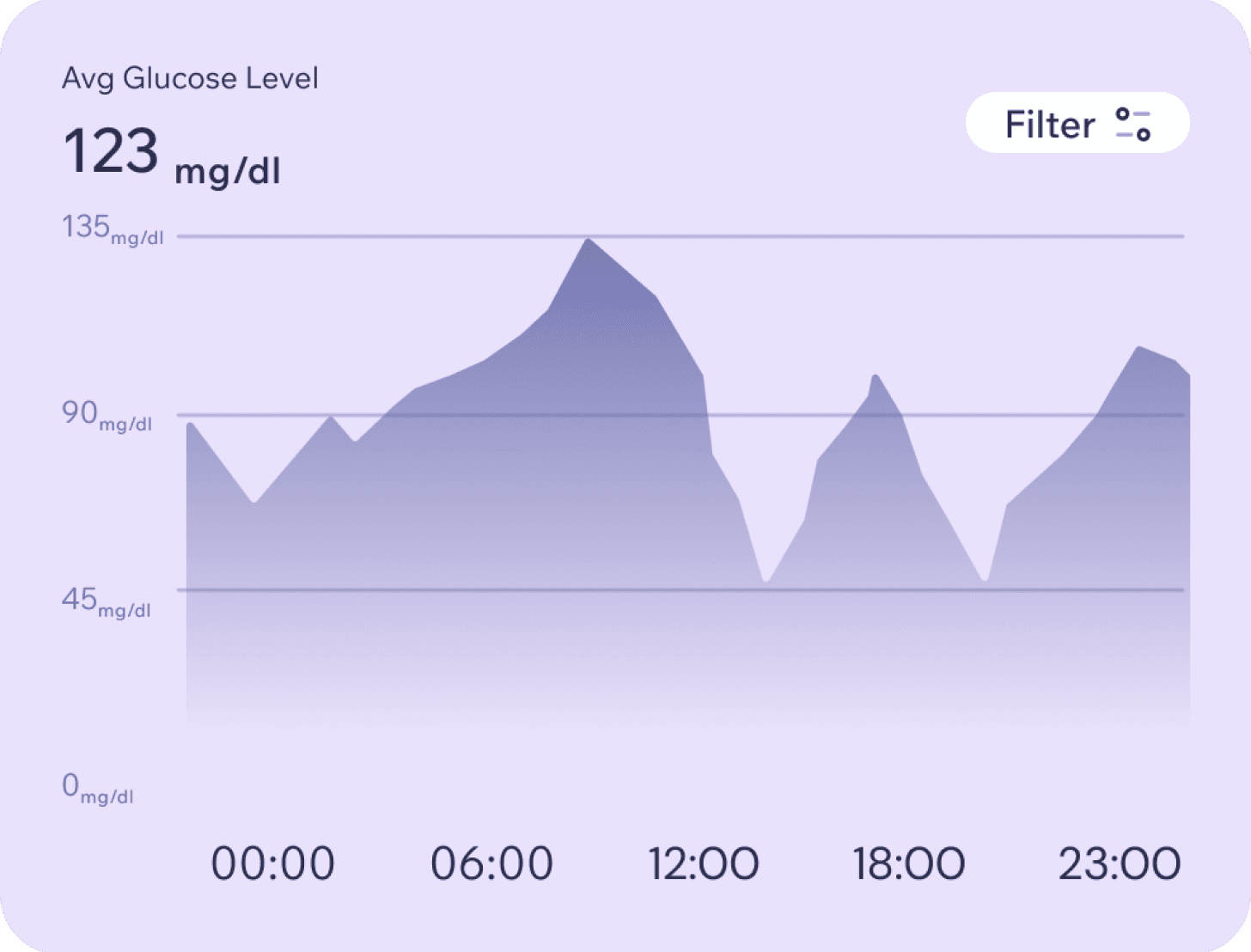
Tracking Glucose :
Discover patterns in your past glucose levels, helping you understand how and when your levels change.
“As a team, we needed to assess how competing products were executing similar solutions and identify areas where we could improve. The key question was: What can we do better?”
Tracking Glucose :
Discover patterns in your past glucose levels, helping you understand how and when your levels change.
“As a team, we needed to assess how competing products were executing similar solutions and identify areas where we could improve. The key question was: What can we do better?”
Conversations with patients, caregivers, and providers emphasized accurate monitoring, user-friendly tools, real-time data sharing, and integrated solutions, highlighting the need for collaboration to address their priorities of education and prevention.
Understanding the Users
Conversations with patients, caregivers, and providers emphasized accurate monitoring, user-friendly tools, real-time data sharing, and integrated solutions, highlighting the need for collaboration to address their priorities of education and prevention.
Wireframes
GlucoGuard prioritized intuitive design, real-time monitoring, and seamless mobile integration.
Research shaped user-friendly concepts, refined through prototypes and testing, with clear visuals, simple navigation, and predictive alerts ensuring it met user needs.
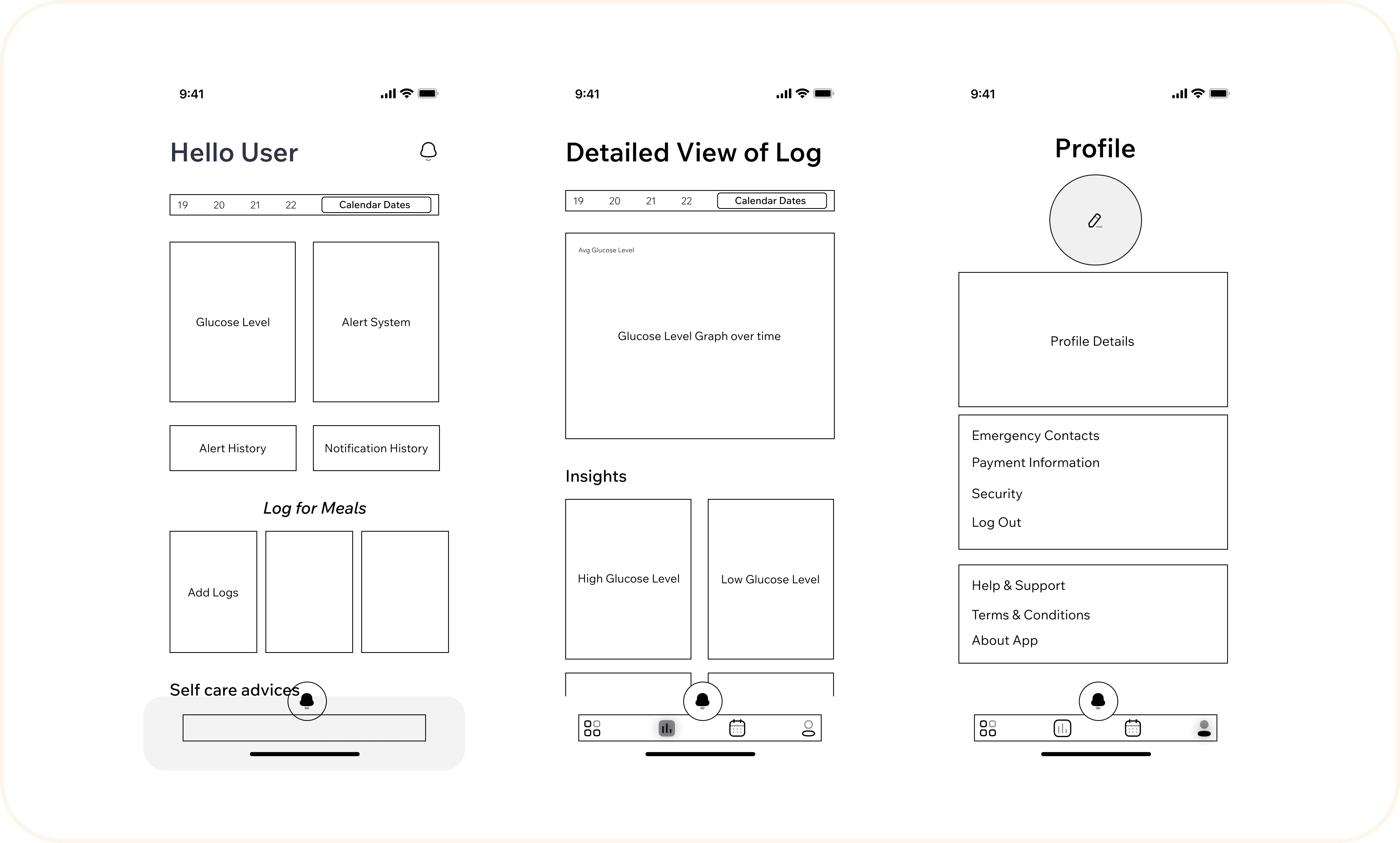
Wireframes, Mapping the blueprint for a seamless and user-friendly mobile experience.
Wireframes, Mapping the blueprint for a seamless and user-friendly mobile experience.
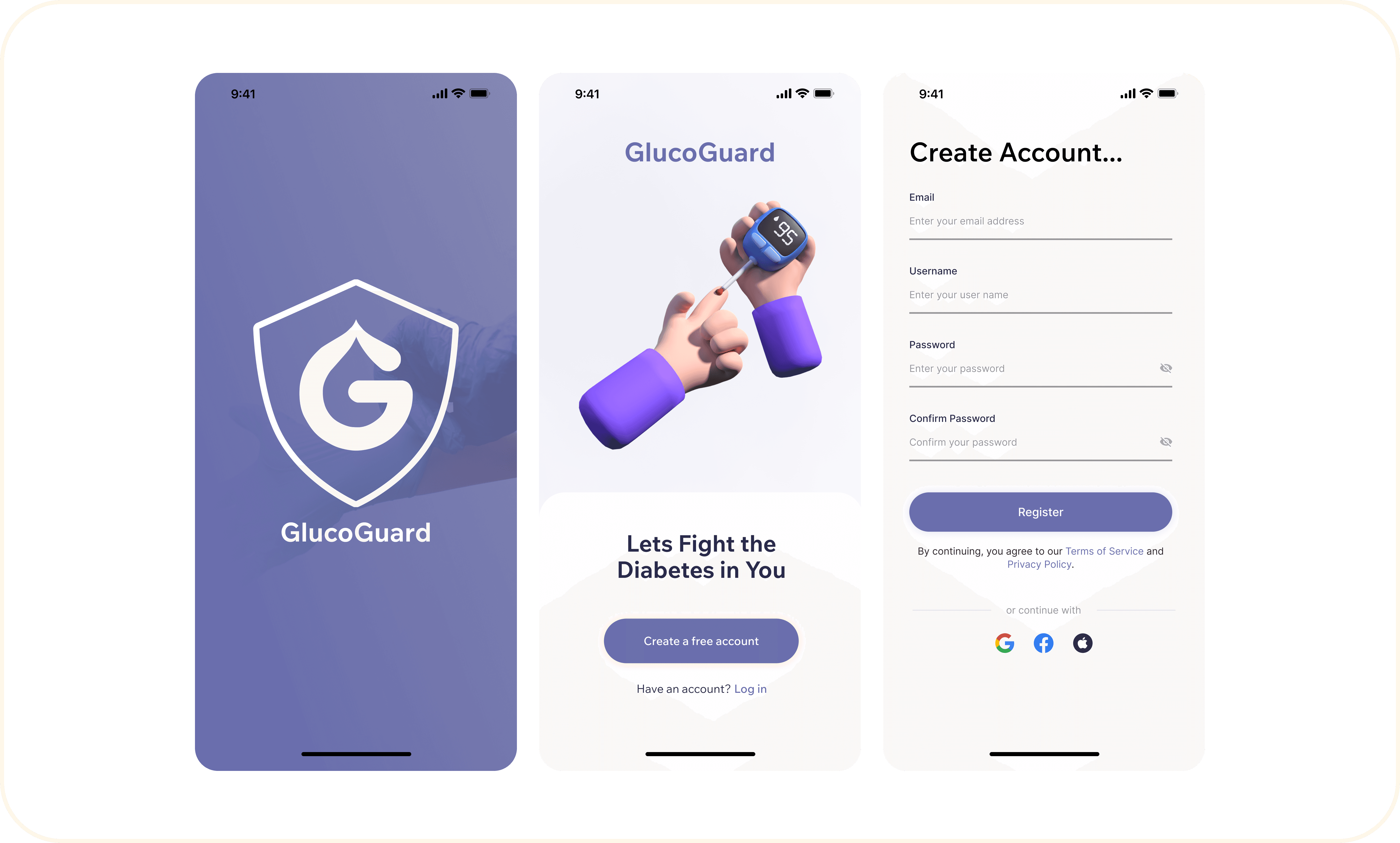
Showcasing the logo and a seamless onboarding process to welcome users
Showcasing the logo and a seamless onboarding process to welcome users
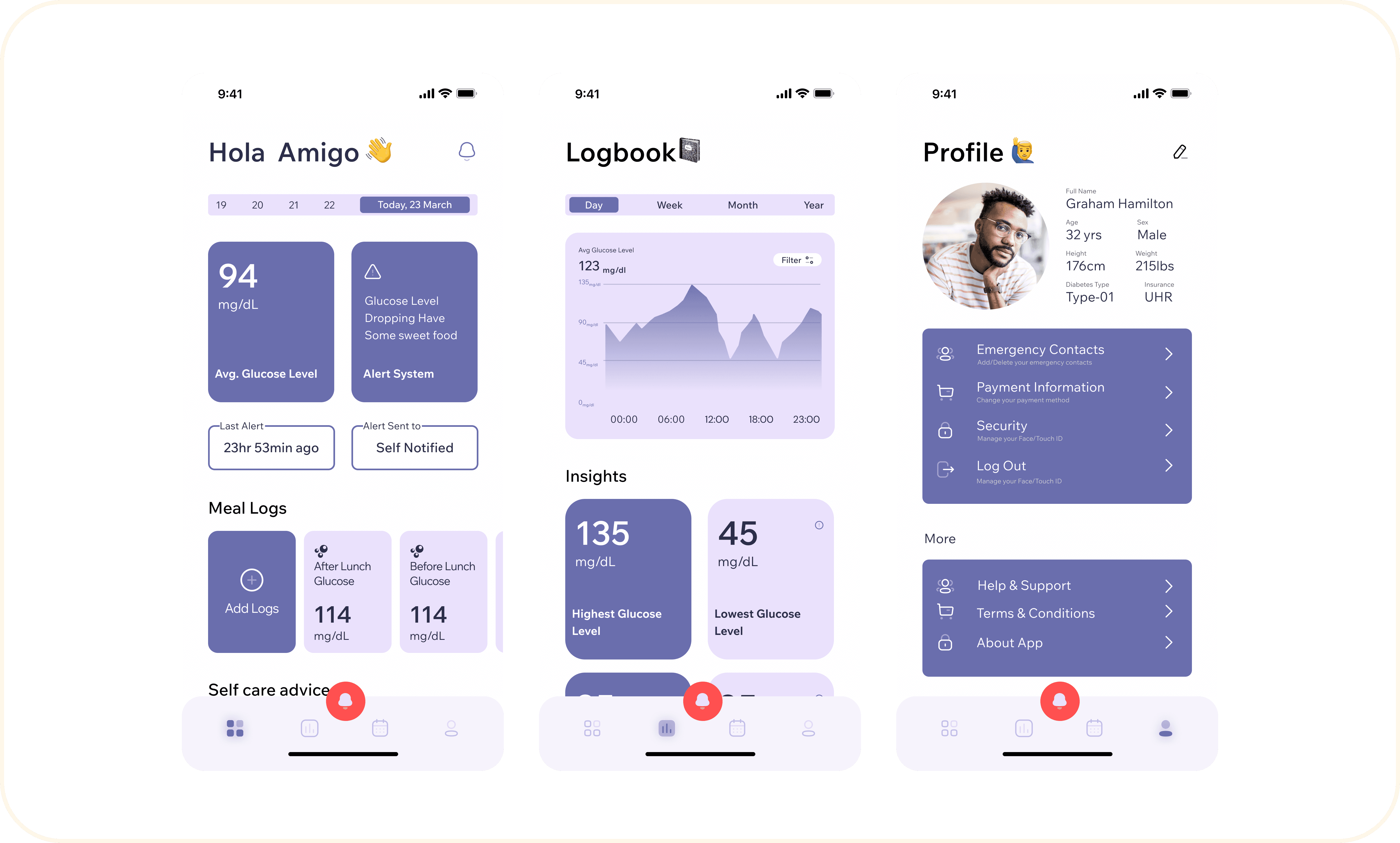
Home, Log Book, and Profile – designed for effortless navigation and personalized glucose management.
Home, Log Book, and Profile – designed for effortless navigation and personalized glucose management.
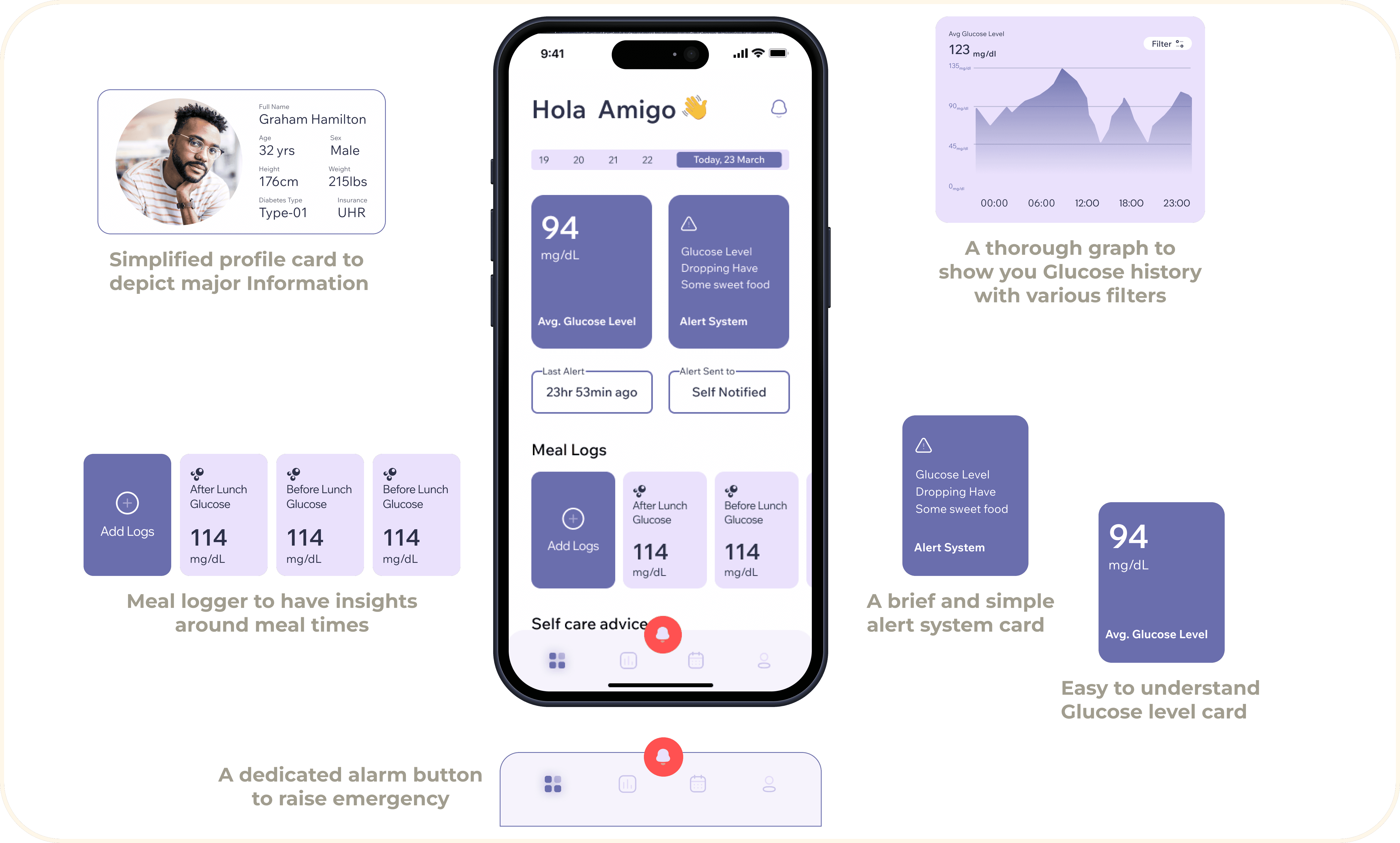
Key features of GlucoGuard
Key features of GlucoGuard
TAKEAWAYS

I gained valuable insights into the intersection of design, healthcare, and user empathy. I learned how to create solutions that directly address real-world problems by deeply understanding patient needs and emotional experiences.
Leading a team through ideation to high-fidelity design, I developed a stronger sense of how to balance user-centered design with technical functionality, particularly in critical applications like glucose monitoring.
I also learned the importance of collaboration, especially in healthcare-related projects, where effective communication with stakeholders can drive impactful, life-saving innovations.
This project reinforced the significance of designing with purpose and ensuring that every feature contributes meaningfully to user safety and trust.
TAKEAWAYS
TAKEAWAYS
I gained valuable insights into the intersection of design, healthcare, and user empathy. I learned how to create solutions that directly address real-world problems by deeply understanding patient needs and emotional experiences.
Leading a team through ideation to high-fidelity design, I developed a stronger sense of how to balance user-centered design with technical functionality, particularly in critical applications like glucose monitoring.
I also learned the importance of collaboration, especially in healthcare-related projects, where effective communication with stakeholders can drive impactful, life-saving innovations.
This project reinforced the significance of designing with purpose and ensuring that every feature contributes meaningfully to user safety and trust.
ENHANCED PATIENT SAFETY THROUGH REALTIME GLUCOSE MONITORING & ALERTS
ENHANCED PATIENT SAFETY THROUGH REALTIME GLUCOSE MONITORING & ALERTS
Enhancing patient safety through real-time glucose monitoring & alerts
This system helps diabetic patients stay safe by tracking glucose levels in real time and alerting caregivers during critical drops. I redesigned the experience to be clearer and more actionable for both patients and responders.
Reduced hypoglycemic aftermaths by 21% through real-time alerts and streamlined tracking.
Improved user trust and adoption with a more intuitive, patient-friendly interface.
Enabled faster emergency response by aligning design with medical workflows.
This system helps diabetic patients stay safe by tracking glucose levels in real time and alerting caregivers during critical drops. I redesigned the experience to be clearer and more actionable for both patients and responders.
Reduced hypoglycemic aftermaths by 21% through real-time alerts and streamlined tracking.
Improved user trust and adoption with a more intuitive, patient-friendly interface.
Enabled faster emergency response by aligning design with medical workflows.
ROLE
ROLE
UX Designer
UX Designer
Client
Client
Jewish Healthcare Foundation
Jewish Healthcare Foundation
Industry
Industry
Healthcare
Healthcare
Duration
Duration
Jan 2024 - May 2024
Jan 2024 - May 2024
GOAL
GOAL
Reduce the risk of severe hypoglycemic incidents by enabling real-time glucose monitoring and automated emergency alerts for patients and caregivers.
Reduce the risk of severe hypoglycemic incidents by enabling real-time glucose monitoring and automated emergency alerts for patients and caregivers.
GlucoGuard was designed to proactively detect dangerous drops in blood sugar and immediately notify emergency services and trusted contacts. The goal was to eliminate delayed response during critical moments, improve patient safety, and support faster medical intervention in high-risk situations.
GlucoGuard was designed to proactively detect dangerous drops in blood sugar and immediately notify emergency services and trusted contacts. The goal was to eliminate delayed response during critical moments, improve patient safety, and support faster medical intervention in high-risk situations.
RESPONSIBILITIES
RESPONSIBILITIES
User Research with Patients and Emergency Responders, Cross-Functional Collaboration, System Design, Information Architecture, Interaction Design, Prototyping, Usability Testing, Stakeholder Communication
User Research with Patients and Emergency Responders, Cross-Functional Collaboration, System Design, Information Architecture, Interaction Design, Prototyping, Usability Testing, Stakeholder Communication
“It’s not just about monitoring numbers, it’s about saving lives. GlucoGuard can become a lifeline for families dealing with diabetes.”
“It’s not just about monitoring numbers, it’s about saving lives. GlucoGuard can become a lifeline for families dealing with diabetes.”
Background Information
BACKGROUND INFORMATION
The rise of temporary housing needs:
Extensive research highlights the need for innovative solutions to ease the financial and emotional burdens of these periods, while also showcasing the growing market potential for flexible and sophisticated accommodations. The diagram below outlines key insights supporting this demand.
The rise of temporary housing needs:
Extensive research highlights the need for innovative solutions to ease the financial and emotional burdens of these periods, while also showcasing the growing market potential for flexible and sophisticated accommodations. The diagram below outlines key insights supporting this demand.
My Biggest Questions
MY BIGGEST QUESTIONS
HOW SHOULD I…
provide users with greater control and confidence in their glucose management?
enhance the likelihood of receiving assistance for an individual experiencing a hypoglycemic episode?
ensure real-time interventions to prevent severe hypoglycemic incidents?
reduce the anxiety of patients and caregivers through proactive monitoring?
HOW SHOULD I…
provide users with greater control and confidence in their glucose management?
enhance the likelihood of receiving assistance for an individual experiencing a hypoglycemic episode?
ensure real-time interventions to prevent severe hypoglycemic incidents?
reduce the anxiety of patients and caregivers through proactive monitoring?
Primary Research/ Understanding the problem:
Conducted interviews and sent out a survey to gather insights mainly from college students on their experiences and preferences regarding temporary accommodations, the factors influencing their decisions during a transition, and their goals for managing housing and expenses.
Strategic Prioritization
STRATEGIC PRIORITIZATION
Key Results
Reduction in Hypoglycemic Incidents
Reduction in Hypoglycemic Incidents
Real-time monitoring and automated alerts helped users take action before glucose levels became dangerously low.
Real-time monitoring and automated alerts helped users take action before glucose levels became dangerously low.
Faster Emergency Response
Faster Emergency Response
Immediate notifications to caregivers and healthcare providers enabled quicker intervention, reducing severe complications.
Higher User Adoption & Trust
Higher User Adoption & Trust
Designed an intuitive and accessible interface, making it easier for diabetic patients to monitor their glucose levels with confidence.
Designed an intuitive and accessible interface, making it easier for diabetic patients to monitor their glucose levels with confidence.
Improved Collaboration with Healthcare Providers
Improved Collaboration with Healthcare Providers
Seamless data sharing allowed medical professionals to track trends and adjust treatments proactively.
Seamless data sharing allowed medical professionals to track trends and adjust treatments proactively.
Key Results
KEY RESULTS
Strategic Prioritization
Primary Research/ Understanding the problem:
Conducted interviews and sent out a survey to gather insights mainly from college students on their experiences and preferences regarding temporary accommodations, the factors influencing their decisions during a transition, and their goals for managing housing and expenses.
GlucoGuard prioritized intuitive design, real-time monitoring, and seamless mobile integration.
Research shaped user-friendly concepts, refined through prototypes and testing, with clear visuals, simple navigation, and predictive alerts ensuring it met user needs.
Key Insights
The GlucoGuard journey map highlights the challenges of Type 1 and Type 2 diabetics, guiding design to prevent tragedies.
It identifies gaps in glucose monitors, emphasizing proactive alerts, real-time tracking, and emergency features to reduce anxiety, ensure timely intervention, and build trust in its life-saving mission.
The GlucoGuard journey map highlights the challenges of Type 1 and Type 2 diabetics, guiding design to prevent tragedies.
It identifies gaps in glucose monitors, emphasizing proactive alerts, real-time tracking, and emergency features to reduce anxiety, ensure timely intervention, and build trust in its life-saving mission.
Key Insights
KEY INSIGHTS
Notifier :
Notifier :
Personalized emergency response system which automatically triggers alerts to pre-designated contacts.
Continuous Glucose Monitoring and Data Accuracy (CGM)
GlucoGuard ensures precise, real-time blood glucose tracking, minimizing reliance on invasive methods and helping patients avoid dangerous fluctuations.
Key Features
Notifier :
Personalized emergency response system which automatically triggers alerts to pre-designated contacts.
Continuous Glucose Monitoring and Data Accuracy (CGM):
GlucoGuard ensures precise, real-time blood glucose tracking, minimizing reliance on invasive methods and helping patients avoid dangerous fluctuations.
Tracking Glucose :
Discover patterns in your past glucose levels, helping you understand how and when your levels change.
“As a team, we needed to assess how competing products were executing similar solutions and identify areas where we could improve. The key question was: What can we do better?”
Tracking Glucose :
Discover patterns in your past glucose levels, helping you understand how and when your levels change.
“As a team, we needed to assess how competing products were executing similar solutions and identify areas where we could improve. The key question was: What can we do better?”
Conversations with patients, caregivers, and providers emphasized accurate monitoring, user-friendly tools, real-time data sharing, and integrated solutions, highlighting the need for collaboration to address their priorities of education and prevention.
Understanding the Users
Conversations with patients, caregivers, and providers emphasized accurate monitoring, user-friendly tools, real-time data sharing, and integrated solutions, highlighting the need for collaboration to address their priorities of education and prevention.
Wireframes
GlucoGuard prioritized intuitive design, real-time monitoring, and seamless mobile integration.
Research shaped user-friendly concepts, refined through prototypes and testing, with clear visuals, simple navigation, and predictive alerts ensuring it met user needs.
Wireframes, Mapping the blueprint for a seamless and user-friendly mobile experience.
Wireframes, Mapping the blueprint for a seamless and user-friendly mobile experience.
Showcasing the logo and a seamless onboarding process to welcome users
Showcasing the logo and a seamless onboarding process to welcome users
Home, Log Book, and Profile – designed for effortless navigation and personalized glucose management.
Home, Log Book, and Profile – designed for effortless navigation and personalized glucose management.
Key features of GlucoGuard
Key features of GlucoGuard
TAKEAWAYS
I gained valuable insights into the intersection of design, healthcare, and user empathy. I learned how to create solutions that directly address real-world problems by deeply understanding patient needs and emotional experiences.
Leading a team through ideation to high-fidelity design, I developed a stronger sense of how to balance user-centered design with technical functionality, particularly in critical applications like glucose monitoring.
I also learned the importance of collaboration, especially in healthcare-related projects, where effective communication with stakeholders can drive impactful, life-saving innovations.
This project reinforced the significance of designing with purpose and ensuring that every feature contributes meaningfully to user safety and trust.
TAKEAWAYS
TAKEAWAYS
I gained valuable insights into the intersection of design, healthcare, and user empathy. I learned how to create solutions that directly address real-world problems by deeply understanding patient needs and emotional experiences.
Leading a team through ideation to high-fidelity design, I developed a stronger sense of how to balance user-centered design with technical functionality, particularly in critical applications like glucose monitoring.
I also learned the importance of collaboration, especially in healthcare-related projects, where effective communication with stakeholders can drive impactful, life-saving innovations.
This project reinforced the significance of designing with purpose and ensuring that every feature contributes meaningfully to user safety and trust.
ENHANCED PATIENT SAFETY THROUGH REALTIME GLUCOSE MONITORING & ALERTS
ENHANCED PATIENT SAFETY THROUGH REALTIME GLUCOSE MONITORING & ALERTS
Enhancing patient safety through real-time glucose monitoring & alerts
This system helps diabetic patients stay safe by tracking glucose levels in real time and alerting caregivers during critical drops. I redesigned the experience to be clearer and more actionable for both patients and responders.
Reduced hypoglycemic aftermaths by 21% through real-time alerts and streamlined tracking.
Improved user trust and adoption with a more intuitive, patient-friendly interface.
Enabled faster emergency response by aligning design with medical workflows.
This system helps diabetic patients stay safe by tracking glucose levels in real time and alerting caregivers during critical drops. I redesigned the experience to be clearer and more actionable for both patients and responders.
Reduced hypoglycemic aftermaths by 21% through real-time alerts and streamlined tracking.
Improved user trust and adoption with a more intuitive, patient-friendly interface.
Enabled faster emergency response by aligning design with medical workflows.
ROLE
ROLE
UX Designer
UX Designer
Client
Client
Jewish Healthcare Foundation
Jewish Healthcare Foundation
Industry
Industry
Healthcare
Healthcare
Duration
Duration
Jan 2024 - May 2024
Jan 2024 - May 2024
GOAL
GOAL
Reduce the risk of severe hypoglycemic incidents by enabling real-time glucose monitoring and automated emergency alerts for patients and caregivers.
Reduce the risk of severe hypoglycemic incidents by enabling real-time glucose monitoring and automated emergency alerts for patients and caregivers.
GlucoGuard was designed to proactively detect dangerous drops in blood sugar and immediately notify emergency services and trusted contacts. The goal was to eliminate delayed response during critical moments, improve patient safety, and support faster medical intervention in high-risk situations.
GlucoGuard was designed to proactively detect dangerous drops in blood sugar and immediately notify emergency services and trusted contacts. The goal was to eliminate delayed response during critical moments, improve patient safety, and support faster medical intervention in high-risk situations.
RESPONSIBILITIES
RESPONSIBILITIES
User Research with Patients and Emergency Responders, Cross-Functional Collaboration, System Design, Information Architecture, Interaction Design, Prototyping, Usability Testing, Stakeholder Communication
User Research with Patients and Emergency Responders, Cross-Functional Collaboration, System Design, Information Architecture, Interaction Design, Prototyping, Usability Testing, Stakeholder Communication
“It’s not just about monitoring numbers, it’s about saving lives. GlucoGuard can become a lifeline for families dealing with diabetes.”
“It’s not just about monitoring numbers, it’s about saving lives. GlucoGuard can become a lifeline for families dealing with diabetes.”
Background Information
BACKGROUND INFORMATION
The rise of temporary housing needs:
Extensive research highlights the need for innovative solutions to ease the financial and emotional burdens of these periods, while also showcasing the growing market potential for flexible and sophisticated accommodations. The diagram below outlines key insights supporting this demand.
The rise of temporary housing needs:
Extensive research highlights the need for innovative solutions to ease the financial and emotional burdens of these periods, while also showcasing the growing market potential for flexible and sophisticated accommodations. The diagram below outlines key insights supporting this demand.
My Biggest Questions
MY BIGGEST QUESTIONS
HOW SHOULD I…
provide users with greater control and confidence in their glucose management?
enhance the likelihood of receiving assistance for an individual experiencing a hypoglycemic episode?
ensure real-time interventions to prevent severe hypoglycemic incidents?
reduce the anxiety of patients and caregivers through proactive monitoring?
HOW SHOULD I…
provide users with greater control and confidence in their glucose management?
enhance the likelihood of receiving assistance for an individual experiencing a hypoglycemic episode?
ensure real-time interventions to prevent severe hypoglycemic incidents?
reduce the anxiety of patients and caregivers through proactive monitoring?
Primary Research/ Understanding the problem:
Conducted interviews and sent out a survey to gather insights mainly from college students on their experiences and preferences regarding temporary accommodations, the factors influencing their decisions during a transition, and their goals for managing housing and expenses.
Strategic Prioritization
STRATEGIC PRIORITIZATION
Key Results
Reduction in Hypoglycemic Incidents
Reduction in Hypoglycemic Incidents
Real-time monitoring and automated alerts helped users take action before glucose levels became dangerously low.
Real-time monitoring and automated alerts helped users take action before glucose levels became dangerously low.
Faster Emergency Response
Faster Emergency Response
Immediate notifications to caregivers and healthcare providers enabled quicker intervention, reducing severe complications.
Higher User Adoption & Trust
Higher User Adoption & Trust
Designed an intuitive and accessible interface, making it easier for diabetic patients to monitor their glucose levels with confidence.
Designed an intuitive and accessible interface, making it easier for diabetic patients to monitor their glucose levels with confidence.
Improved Collaboration with Healthcare Providers
Improved Collaboration with Healthcare Providers
Seamless data sharing allowed medical professionals to track trends and adjust treatments proactively.
Seamless data sharing allowed medical professionals to track trends and adjust treatments proactively.
Key Results
KEY RESULTS
Strategic Prioritization
Primary Research/ Understanding the problem:
Conducted interviews and sent out a survey to gather insights mainly from college students on their experiences and preferences regarding temporary accommodations, the factors influencing their decisions during a transition, and their goals for managing housing and expenses.
GlucoGuard prioritized intuitive design, real-time monitoring, and seamless mobile integration.
Research shaped user-friendly concepts, refined through prototypes and testing, with clear visuals, simple navigation, and predictive alerts ensuring it met user needs.
Key Insights
The GlucoGuard journey map highlights the challenges of Type 1 and Type 2 diabetics, guiding design to prevent tragedies.
It identifies gaps in glucose monitors, emphasizing proactive alerts, real-time tracking, and emergency features to reduce anxiety, ensure timely intervention, and build trust in its life-saving mission.
The GlucoGuard journey map highlights the challenges of Type 1 and Type 2 diabetics, guiding design to prevent tragedies.
It identifies gaps in glucose monitors, emphasizing proactive alerts, real-time tracking, and emergency features to reduce anxiety, ensure timely intervention, and build trust in its life-saving mission.
Key Insights
KEY INSIGHTS
Notifier :
Notifier :
Personalized emergency response system which automatically triggers alerts to pre-designated contacts.
Continuous Glucose Monitoring and Data Accuracy (CGM)
GlucoGuard ensures precise, real-time blood glucose tracking, minimizing reliance on invasive methods and helping patients avoid dangerous fluctuations.
Key Features
Notifier :
Personalized emergency response system which automatically triggers alerts to pre-designated contacts.
Continuous Glucose Monitoring and Data Accuracy (CGM):
GlucoGuard ensures precise, real-time blood glucose tracking, minimizing reliance on invasive methods and helping patients avoid dangerous fluctuations.
Tracking Glucose :
Discover patterns in your past glucose levels, helping you understand how and when your levels change.
“As a team, we needed to assess how competing products were executing similar solutions and identify areas where we could improve. The key question was: What can we do better?”
Tracking Glucose :
Discover patterns in your past glucose levels, helping you understand how and when your levels change.
“As a team, we needed to assess how competing products were executing similar solutions and identify areas where we could improve. The key question was: What can we do better?”
Conversations with patients, caregivers, and providers emphasized accurate monitoring, user-friendly tools, real-time data sharing, and integrated solutions, highlighting the need for collaboration to address their priorities of education and prevention.
Understanding the Users
Conversations with patients, caregivers, and providers emphasized accurate monitoring, user-friendly tools, real-time data sharing, and integrated solutions, highlighting the need for collaboration to address their priorities of education and prevention.
Wireframes
GlucoGuard prioritized intuitive design, real-time monitoring, and seamless mobile integration.
Research shaped user-friendly concepts, refined through prototypes and testing, with clear visuals, simple navigation, and predictive alerts ensuring it met user needs.
Wireframes, Mapping the blueprint for a seamless and user-friendly mobile experience.
Wireframes, Mapping the blueprint for a seamless and user-friendly mobile experience.
Showcasing the logo and a seamless onboarding process to welcome users
Showcasing the logo and a seamless onboarding process to welcome users
Home, Log Book, and Profile – designed for effortless navigation and personalized glucose management.
Home, Log Book, and Profile – designed for effortless navigation and personalized glucose management.
Key features of GlucoGuard
Key features of GlucoGuard
TAKEAWAYS
I gained valuable insights into the intersection of design, healthcare, and user empathy. I learned how to create solutions that directly address real-world problems by deeply understanding patient needs and emotional experiences.
Leading a team through ideation to high-fidelity design, I developed a stronger sense of how to balance user-centered design with technical functionality, particularly in critical applications like glucose monitoring.
I also learned the importance of collaboration, especially in healthcare-related projects, where effective communication with stakeholders can drive impactful, life-saving innovations.
This project reinforced the significance of designing with purpose and ensuring that every feature contributes meaningfully to user safety and trust.
TAKEAWAYS
TAKEAWAYS
I gained valuable insights into the intersection of design, healthcare, and user empathy. I learned how to create solutions that directly address real-world problems by deeply understanding patient needs and emotional experiences.
Leading a team through ideation to high-fidelity design, I developed a stronger sense of how to balance user-centered design with technical functionality, particularly in critical applications like glucose monitoring.
I also learned the importance of collaboration, especially in healthcare-related projects, where effective communication with stakeholders can drive impactful, life-saving innovations.
This project reinforced the significance of designing with purpose and ensuring that every feature contributes meaningfully to user safety and trust.